Start with the job you need this purchase to do. Write down your required size or compatibility, how often you will use it and the date you need it. Separate the essentials from convenient extras. That short brief makes it easier to compare a local shop, a specialist supplier and an online listing without being distracted by packaging or a headline discount.
Where to look
Compare supermarkets, local food shops and specialist roasters or grocers. Work from your usual serving size and storage space. A larger bag may lower the unit cost but can be a poor fit if you cannot keep the contents in suitable conditions.
Start with the item you need
- coffee beans: Check roast information and whole-bean or ground format; match any grind size to the brewer you will actually use.
- loose-leaf tea: Check leaf size, any added flavoring and whether the leaves suit your strainer; buy a small amount before a large tin.
- rice: Compare the named rice variety, grain length and cooking instructions against the dishes and equipment you normally use.
- pasta: Compare shape, flour or pulse ingredients and whether the pasta is fresh or dried; storage and cooking instructions differ.
- olive oil: Read the stated olive-oil grade, origin and bottle size, then choose an amount that suits your cooking and storage habits.
- baking flour: Match the flour type and declared protein information to your recipe; self-raising flour is not interchangeable without recipe changes.
- chocolate bars: Read ingredients, allergen information, net weight and storage instructions on the actual package.
Compare the complete purchase
Put each offer on the same basis: the same size, quantity, condition and included accessories. Add the cost of delivery, collection travel, required parts and likely consumables. Ask whether the displayed amount is for one item or a set. For a deadline, distinguish the dispatch date from the arrival date and ask for written confirmation of any promised collection slot. These shopping channels are starting points; verify current availability with the seller.
Returns, upkeep and the first check
Before paying, ask what changes once the packaging is opened, the item is used or a custom option is added. Keep the receipt and the precise product description. On arrival, compare the contents with the order while packaging is still available. For a mismatch or damage, record the issue and contact the seller through its stated process before using the item further.
A useful decision rule
Choose the least complicated option that meets the essential checks and has clear purchase terms. If a crucial specification is still uncertain, pause the order and ask one focused question. Paying for a feature you will use can make sense; paying for an unverified claim leaves the important question unanswered.
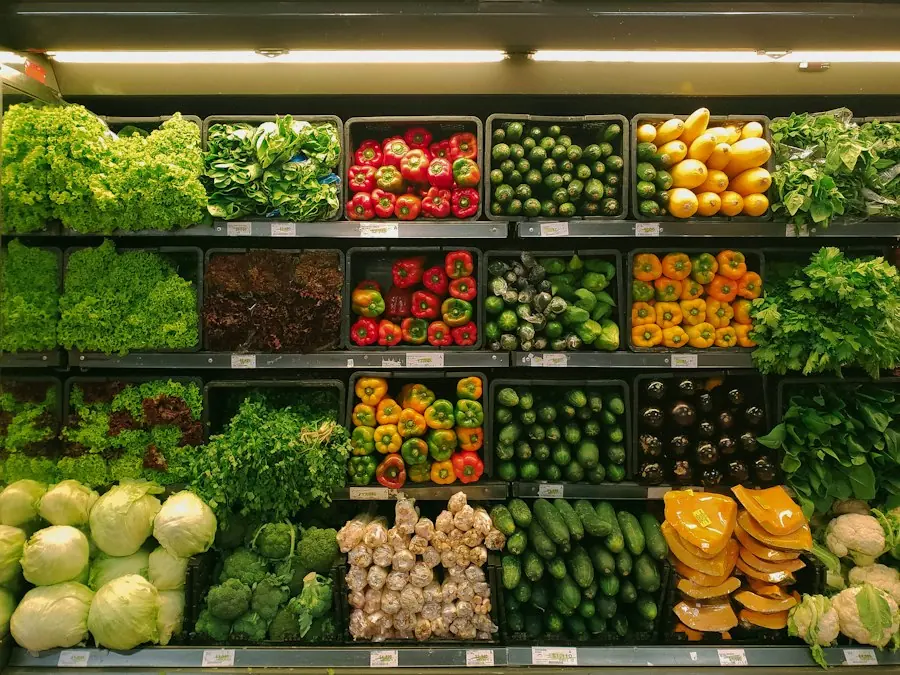
Independent purchasing guidance; no live prices, stock claims or hands-on test results. Category photographs are illustrative and do not identify a particular model.
Comments
0Be the first to add a useful perspective.
Add a comment